

Freedom Camping in New Zealand: Everything You Need to Know
Freedom camping sounds brilliant in theory. Park wherever you like, wake up to incredible views, save money on campsite fees. The reality? It's not quite that simple—but it's absolutely doable if you understand the rules.
New Zealand takes freedom camping seriously. Get it right and you'll have some of the most memorable nights of your trip. Get it wrong and you're looking at fines, angry locals, and a reputation problem that affects every campervan traveler after you.
Here's everything you actually need to know.
What Freedom Camping Actually Means
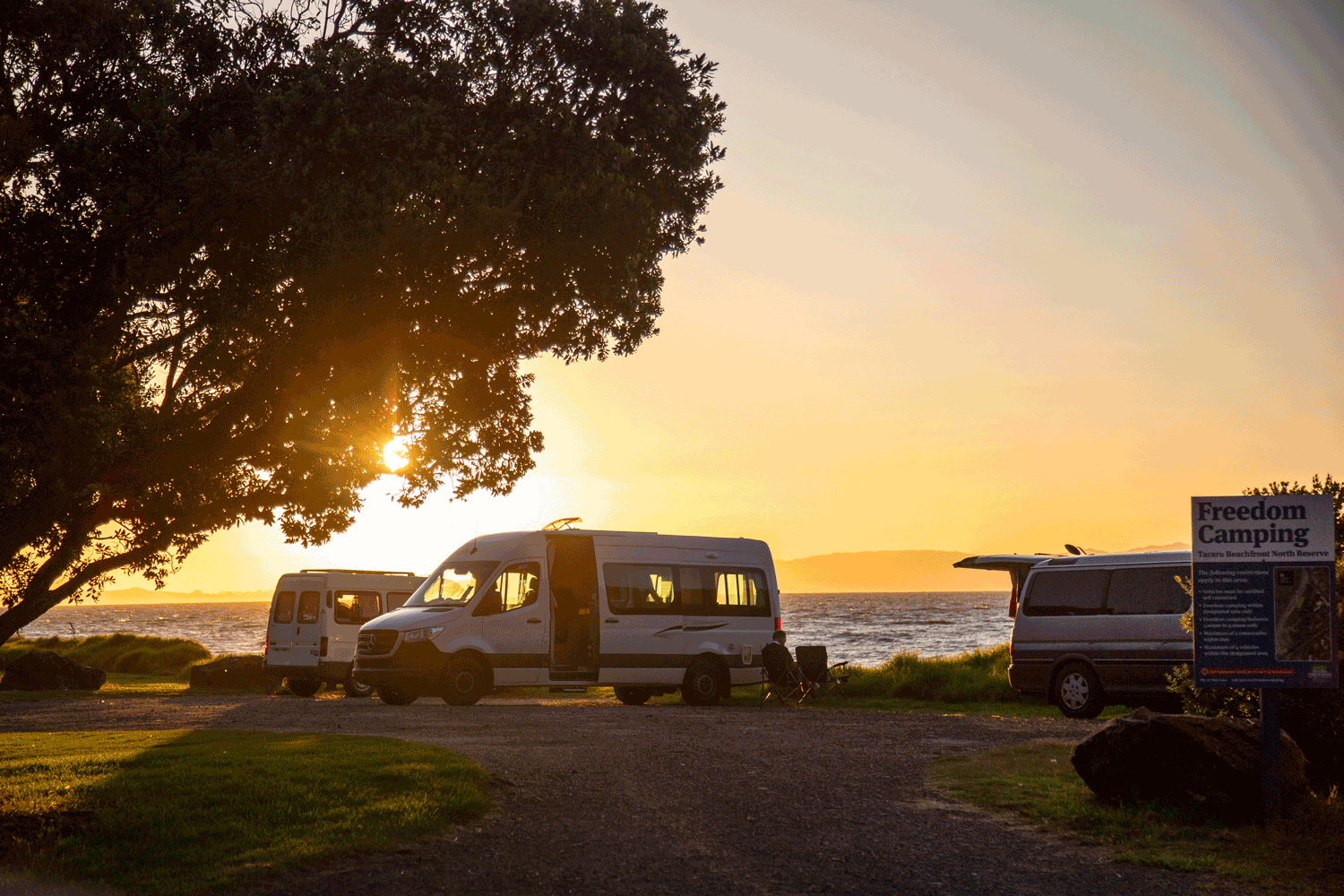
Freedom camping means staying overnight in a vehicle outside of commercial campsites or holiday parks. Sounds straightforward until you realize that New Zealand has specific laws, certifications, and local bylaws that determine where and how you can do it.
The key thing to understand: not all campervans are created equal in the eyes of freedom camping regulations. Your vehicle needs to meet certain standards, and even then, not every scenic spot is fair game.
The Self-Containment Requirement
This is where most people get confused, so pay attention.
New Zealand law recognizes different levels of campervans:
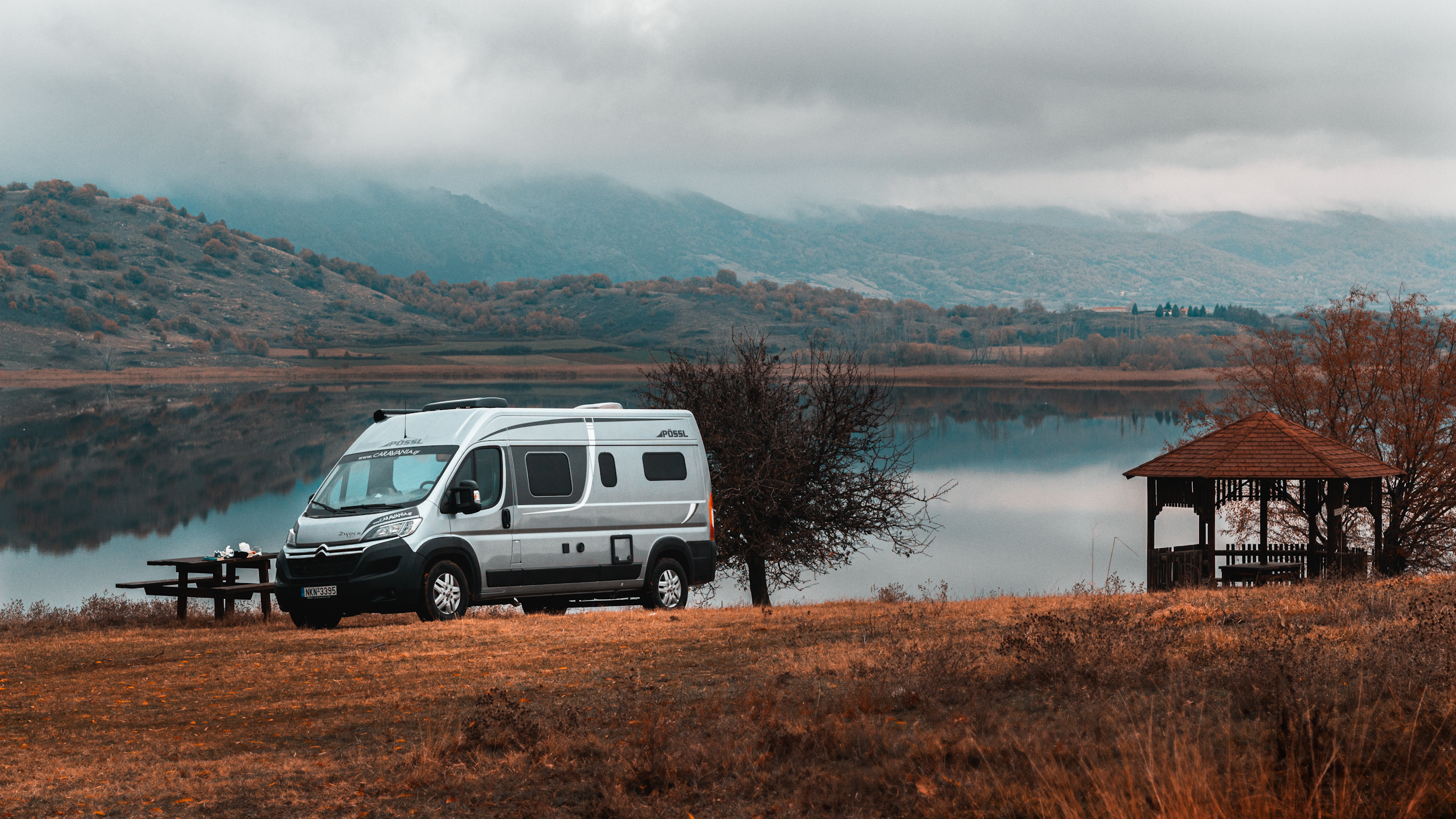
Certified Self-Contained (the blue sticker): These vehicles meet the NZS 5465:2001 standard, which means they have:
A fixed toilet (portable toilets don't count)
Sufficient freshwater storage (minimum varies by vehicle size)
Grey and black water storage
A sink
Rubbish bins
If your van has the blue self-contained certification sticker displayed in the window, you can freedom camp in areas designated for self-contained vehicles. This is the gold standard for freedom camping in New Zealand.
Not Self-Contained: Without certification, your options shrink dramatically. You can only freedom camp in areas specifically designated for non-self-contained vehicles—and there aren't many of those. Most freedom camping spots require self-containment.
Our vans that meet self-containment standards have the certification clearly displayed. If you're unsure, ask before you book. This detail determines where you can legally park for the night.
Where You Can Actually Freedom Camp
Here's the frustrating truth: even with a certified self-contained vehicle, you can't just park anywhere that looks pretty.
Department of Conservation (DOC) Campsites: DOC manages hundreds of campsites across New Zealand, many allowing freedom camping for self-contained vehicles. These range from basic spots with drop toilets to more developed sites with facilities. Some are free, others charge a small fee. Popular ones fill up fast during peak season.
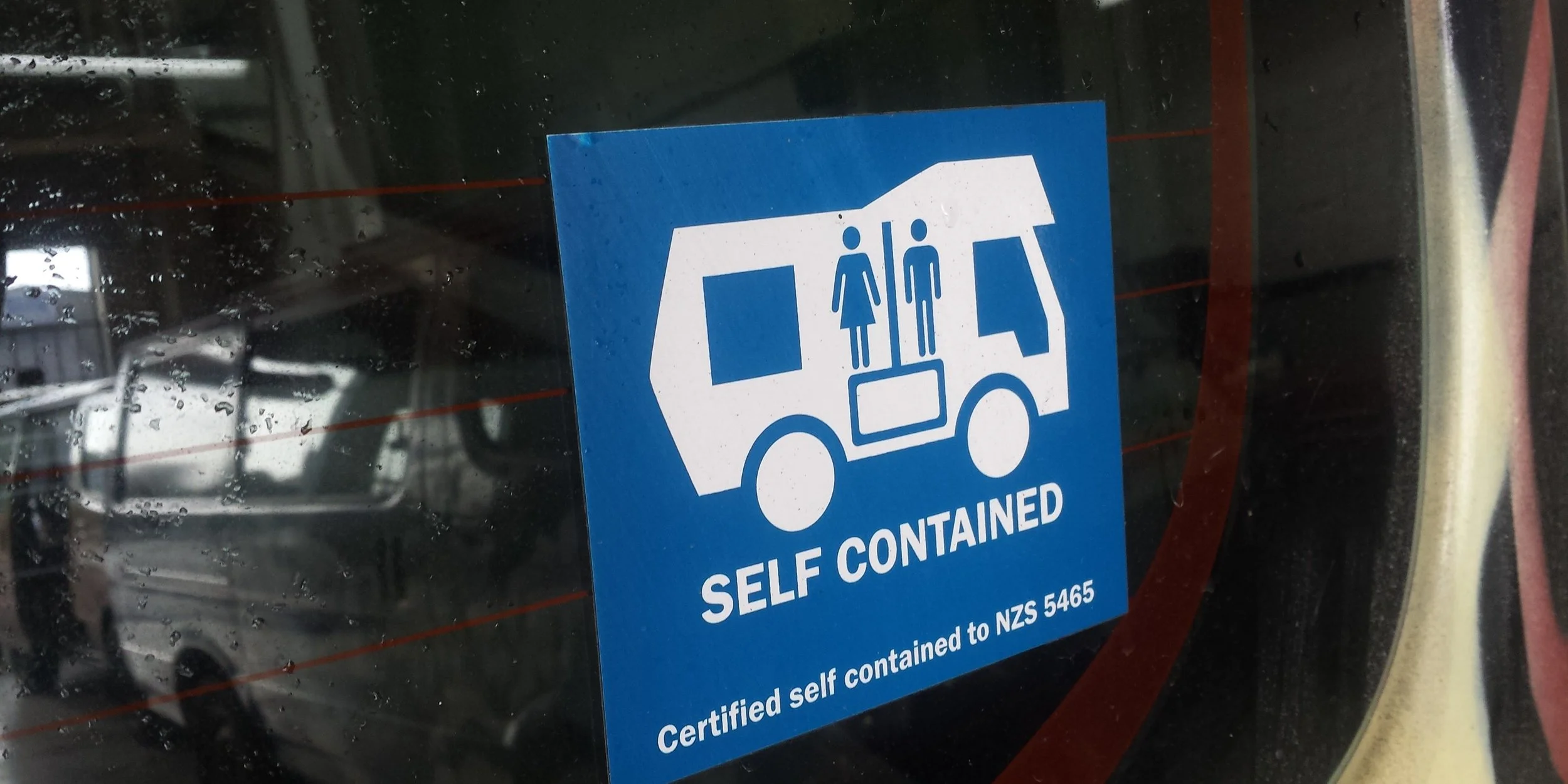
Council-Designated Freedom Camping Areas: Local councils designate specific areas where freedom camping is permitted. These vary wildly by region—some councils embrace freedom camping, others heavily restrict it. Auckland, for example, has very limited freedom camping options. The West Coast and less populated regions tend to be more accommodating.
Private Land (with permission): If you get permission from the landowner, you can stay on private property. Some farms and businesses offer this, sometimes for a small fee.
Where You Definitely Cannot Camp:
Conservation land without designated campsites
Beaches (unless specifically designated)
Residential streets
Car parks (unless signed as freedom camping areas)
Anywhere with "No Camping" or "No Overnight Parking" signs
Within certain distances of towns and cities (varies by council)
The penalties for illegal freedom camping include fines up to $200 on the spot, and up to $10,000 if prosecuted. Councils and DOC take this seriously, especially in areas where freedom camping has caused problems. You will get fined if you do not follow the rules, and we don’t want that while on holiday!
The CamperMate App: Your Essential Tool
Stop trying to figure this out on paper. Download CamperMate before you arrive in New Zealand.
This free app shows:
Freedom camping locations (filtered by self-contained vs non-self-contained)
DOC campsites
Holiday parks and commercial sites
Dump stations
Public toilets
Parking areas
Potable water refill points
You can filter by vehicle type, read reviews from other travelers, see photos, and get directions. It's updated regularly with new sites and rule changes. The app also shows whether sites are free or paid, what facilities are available, and user ratings.
Other useful apps include Rankers Camping NZ and the official DOC app, but CamperMate is the most comprehensive and user-friendly.
The Unwritten Rules (That Matter More Than You Think)
New Zealand's freedom camping culture relies on people doing the right thing. Break these unwritten rules and you'll understand why some communities have banned freedom camping entirely.
Leave no trace: Pack out everything you bring in. Every scrap of rubbish, every piece of toilet paper. If you see litter, pick it up even if it's not yours.
Use your toilet: That's what it's there for. Never, ever go to the bathroom outside your van in freedom camping areas. This single issue has caused more freedom camping bans than anything else.
Empty tanks properly: Use designated dump stations for grey and black water. Never empty tanks in stormwater drains, rivers, or randomly on the ground. Dump stations are marked on CamperMate and usually cost a few dollars. They are often free also.
Respect quiet hours: Keep noise down, especially after 10pm and before 7am. You're often parked near residential areas or sharing space with other travelers.
Don't overstay: Most freedom camping spots have maximum stay limits—usually one to three nights. Follow them.
Be considerate with generator use: If your van has a generator, use it minimally and never during early morning or evening hours. Better yet, rely on solar and battery.
Park sensibly: Don't block access, take up multiple spots, or park in ways that prevent others from using the area.
What Good Freedom Camping Looks Like
The best freedom campers follow a simple principle: leave the spot better than you found it.
Arrive before dark so you can assess the area properly and set up safely. Check for "No Camping" signs you might have missed. Park considerately. Use your own facilities. Keep noise minimal. Respect neighbors—both other campers and nearby residents. Pick up any litter in the area before you leave, even if it's not yours.
This approach ensures freedom camping remains available for future travelers and maintains New Zealand's reputation as a welcoming destination.
Regional Variations You Should Know
Freedom camping rules vary significantly by region:
Northland and Auckland: Heavily restricted. Very few freedom camping spots. Most areas require you to use commercial campsites.
Coromandel: Limited options during peak season. Book ahead if possible.
Bay of Plenty and Rotorua: Moderate options, but popular spots fill quickly.
East Cape and Gisborne: More relaxed, with decent freedom camping availability.
Wellington: Strictly regulated. Limited options close to the city.
Nelson and Marlborough: Good options, particularly in less touristy areas.
West Coast: Generally welcoming to freedom campers. More spots available, but facilities can be basic.
Canterbury and Otago: Mixed. Popular tourist areas like Tekapo and Wanaka are heavily regulated. Remote areas offer more freedom.
Southland and Fiordland: Reasonable options, but weather can be challenging.
Always check local council bylaws before assuming you can freedom camp in an area. What's allowed in one region might be banned 50 kilometers down the road.
When Freedom Camping Isn't Worth It
Be honest about whether freedom camping suits your trip.
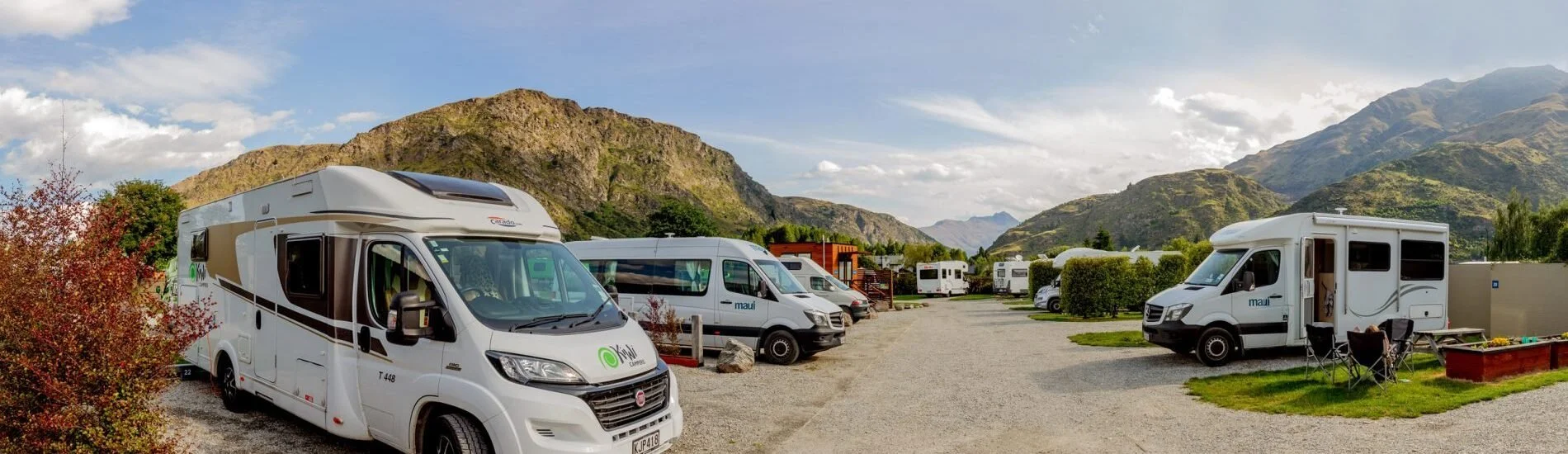
If you're traveling during peak season (December to February), popular freedom camping spots fill up fast. You might spend your evening driving around looking for available space instead of relaxing-trust me, I’ve been there. Holiday parks offer certainty, hot showers, and proper facilities.
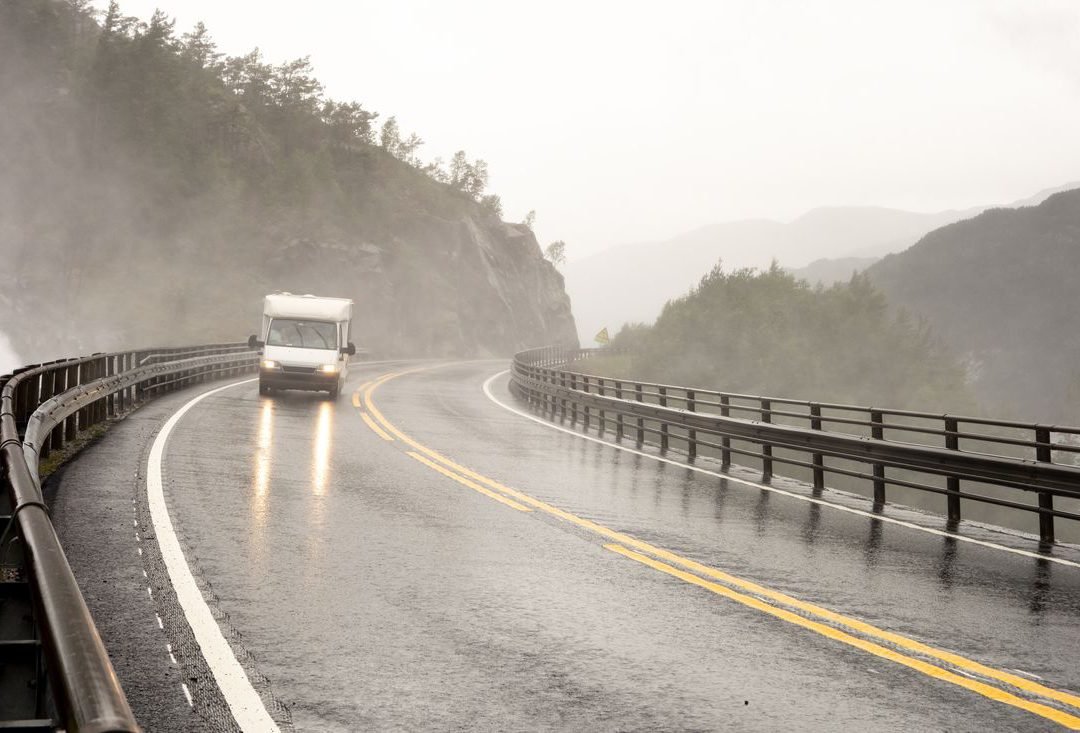
In bad weather, freedom camping loses its appeal quickly. Cold, wet nights are more comfortable at holiday parks with heating, hot showers, and communal spaces.
When Freedom Camping Is Worth it…
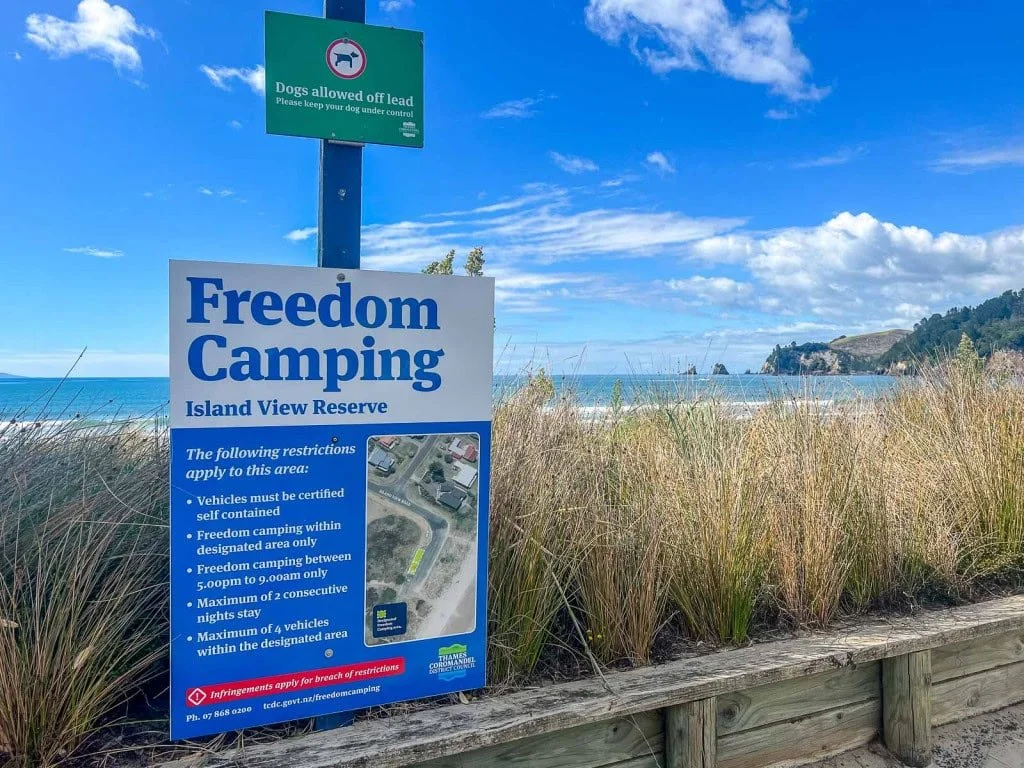
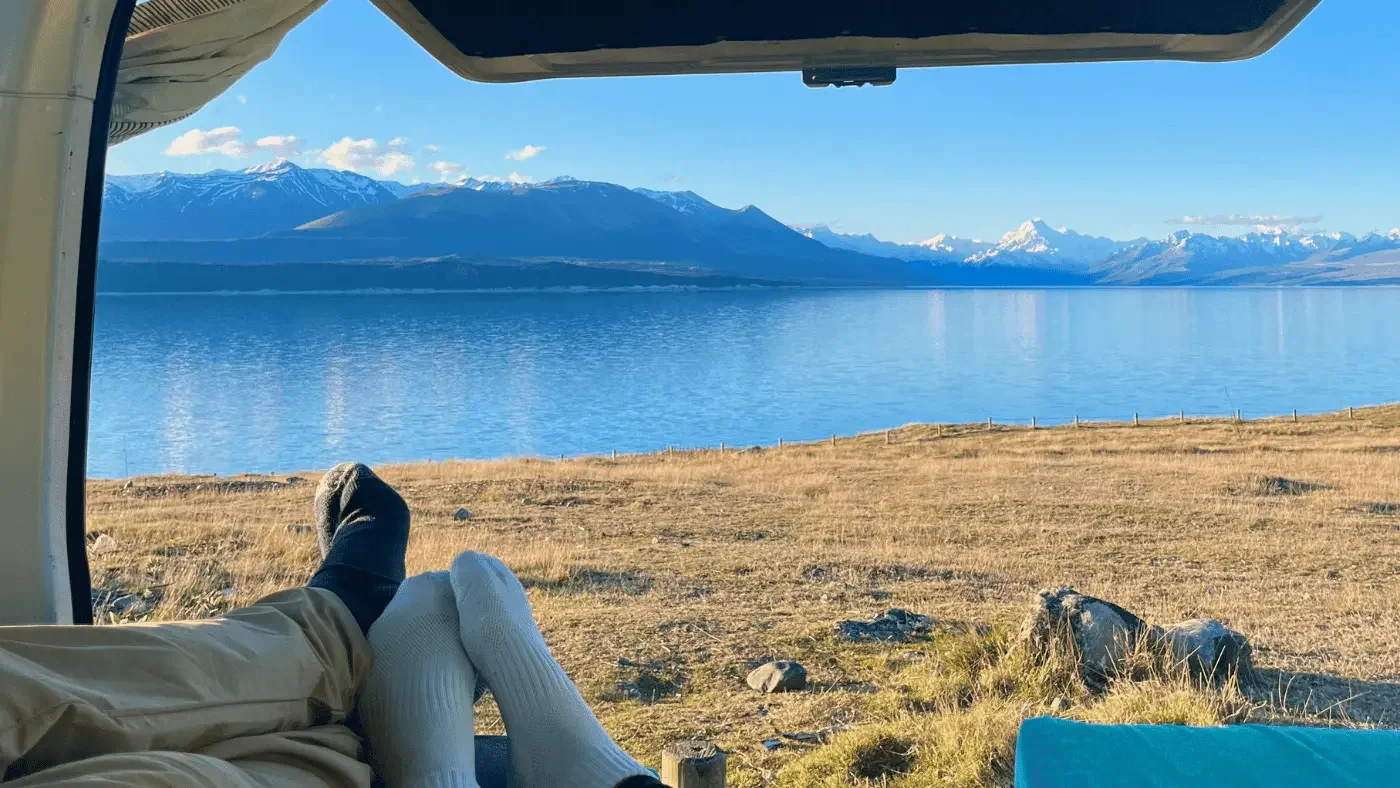
…which is almost always! Freedom camping done right is one of New Zealand's greatest privileges. Waking up to Lake Pukaki's turquoise glow without another soul in sight. Falling asleep to waves crashing on a West Coast beach. Watching the stars over Fiordland without light pollution dimming the show.
These moments exist because travelers before you respected the rules and the land. Now it's your turn. Find your perfect van, download CamperMate, follow the principles, and experience New Zealand the way it deserves to be experienced—with freedom, responsibility, and a properly equipped van that lets you go wherever the road takes you.
The country's waiting. Your certified campervan is ready.
Time to see what freedom actually feels like.
